
(English Below)
**ភ្នំពេញ៖** មន្ត្រីជាន់ខ្ពស់ក្រសួងធនធានទឹក និងឧតុនិយម បានចុះត្រួតពិនិត្យដោយផ្ទាល់នូវការដ្ឋានសាងសង់សំណង់ការពារច្រាំងទន្លេសាបមួយកន្លែង ស្ថិតក្នុងភូមិសាស្ត្រខណ្ឌជ្រោយចង្វា កាលពីរសៀលថ្ងៃទី ០៩ ខែមីនា ឆ្នាំ ២០២៦។ តាមការពិនិត្យជាក់ស្តែង គម្រោងវិនិយោគឯកជននេះ ត្រូវបានរកឃើញថាមានការអនុញ្ញាតជាគោលការណ៍ពីរដ្ឋបាលរាជធានីភ្នំពេញ ប៉ុន្តែពុំទាន់មានការអនុញ្ញាតផ្នែកបច្ចេកទេសជលសាស្ត្រពីក្រសួងធនធានទឹកនៅឡើយទេ។
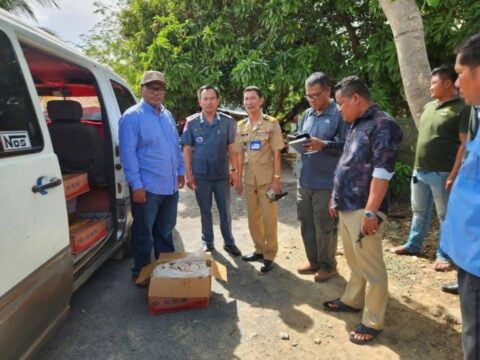
យោងតាមប្រភពពីក្រសួងធនធានទឹក និងឧតុនិយម លោក ឈា ប៊ុនរិទ្ធ រដ្ឋលេខាធិការប្រចាំការ និងជាអនុប្រធានអចិន្ត្រៃយ៍នៃគណៈកម្មាធិការជាតិគ្រប់គ្រងអាងទន្លេ បានដឹកនាំក្រុមមន្ត្រីជំនាញចុះពិនិត្យទីតាំងចាក់ថ្មការពារច្រាំងទន្លេប្រវែង ២២០ ម៉ែត្រ ស្ថិតក្នុងភូមិព្រែកតាគង់ សង្កាត់ព្រែកតាសេក ខណ្ឌជ្រោយចង្វា។ ក្នុងដំណើរចុះពិនិត្យនេះ លោកបានបញ្ជាក់ថា សំណង់ការពារច្រាំងទន្លេដែលជាការវិនិយោគរបស់ម្ចាស់បុរីក្នុងតំបន់នោះ បច្ចុប្បន្នសម្រេចបានលទ្ធផលប្រមាណ ៨ ភាគរយប៉ុណ្ណោះ។ ទោះបីជាម្ចាស់សំណង់ទទួលបានការឯកភាពជាគោលការណ៍ពីរដ្ឋបាលរាជធានីភ្នំពេញ តាំងពីថ្ងៃទី ០៣ ខែធ្នូ ឆ្នាំ ២០២៥ ក៏ដោយ ប៉ុន្តែផ្នែកបច្ចេកទេសដែលជាសមត្ថកិច្ចរបស់ក្រសួងជំនាញគឺមិនទាន់ត្រូវបានអនុម័តនៅឡើយ។
ក្នុងឱកាសនោះ លោក ឈា ប៊ុនរិទ្ធ បានណែនាំយ៉ាងម៉ឺងម៉ាត់ដល់ម្ចាស់សំណង់ឱ្យផ្អាកសកម្មភាពសាងសង់ជាបណ្តោះអាសន្ន ដើម្បីរួសរាន់រៀបចំបែបបទស្នើសុំការឯកភាពផ្នែកបច្ចេកទេសជលសាស្ត្រពីក្រសួងធនធានទឹក និងឧតុនិយម ឱ្យបានត្រឹមត្រូវស្របតាមច្បាប់ជាធរមាន។ ទន្ទឹមនឹងនេះ លោកក៏បានស្នើឱ្យរដ្ឋបាលខណ្ឌជ្រោយចង្វា ផ្តល់ផែនទីចុះបញ្ជីដីធ្លីជាប្រព័ន្ធនៅក្នុងតំបន់នោះ ដើម្បីឱ្យក្រុមការងារជំនាញងាយស្រួលក្នុងការផ្ទៀងផ្ទាត់ការសាងសង់ឱ្យស្របតាមប្លង់កំណត់ និងចៀសវាងការរំលោភបំពានដីចំណីទន្លេ។
ជាការរំលឹកដល់មូលដ្ឋានច្បាប់ លោករដ្ឋលេខាធិការប្រចាំការបានពន្យល់ថា យោងតាមច្បាប់ស្តីពីការគ្រប់គ្រងធនធានទឹកនៃព្រះរាជាណាចក្រកម្ពុជា រាល់ការសាងសង់សំណង់នានាលើច្រាំង និងឆ្នេរ រួមមានស្ពាន កំពង់ផែ ឬអគារផ្សេងៗ ត្រូវតែមានការឯកភាពផ្នែកបច្ចេកទេសជលសាស្ត្រជាមុនពីក្រសួងធនធានទឹក។ បន្ថែមលើនេះ មាត្រា ៨ នៃអនុក្រឹត្យស្តីពីការគ្រប់គ្រងអាងទន្លេ ក៏បានកំណត់យ៉ាងច្បាស់អំពីនិយាមដីចំណីទន្លេ ដែលតម្រូវឱ្យមានការអនុវត្តតាមបទដ្ឋានបច្ចេកទេសយ៉ាងតឹងរ៉ឹងបំផុត ដើម្បីការពារលំនឹងបរិស្ថាន និងចរន្តទឹកទន្លេ៕

**MOWRAM Inspects 220-Meter Riverbank Construction in Chroy Changvar, Citing Missing Technical Hydrological Approval**
**PHNOM PENH:** A senior official from the Ministry of Water Resources and Meteorology (MOWRAM) conducted a site inspection on the afternoon of March 9, 2026, regarding a 220-meter riverbank protection project along the Tonle Sap River. According to official reports, the private development reportedly holds municipal-level permission but lacks the mandatory technical hydrological approval from the relevant ministry.
Lead by H.E. Chhea Bunrith, Permanent Secretary of State and Permanent Vice Chairman of the National River Basin Management Committee, the expert team visited the site located in Prek Ta Kong Village, Prek Ta Sek Commune, Chroy Changvar District. During the inspection, it was observed that the project, funded by a private “Borey” developer to prevent erosion, is currently approximately 8% complete. While the Phnom Penh Municipal Administration reportedly granted principle approval on December 3, 2025, the project has yet to receive technical clearance from MOWRAM.
H.E. Chhea Bunrith instructed the developer to immediately prepare and submit the necessary documentation for technical hydrological approval in accordance with existing laws before proceeding with further construction. Furthermore, he requested the Chroy Changvar District Administration to provide systematic land registration maps of the area to verify that the construction aligns with designated boundaries and does not infringe upon public riverfront land.
The Permanent Secretary of State emphasized the legal framework governing water resources in Cambodia, noting that any construction of bridges, ports, or large-scale structures on riverbanks or shores requires prior technical hydrological consent from the Ministry of Water Resources and Meteorology. Additionally, he cited Article 8 of the Sub-decree on River Basin Management, which defines riverbank standards. He concluded that in Phnom Penh, these regulations must be strictly enforced to ensure public safety and environmental sustainability.